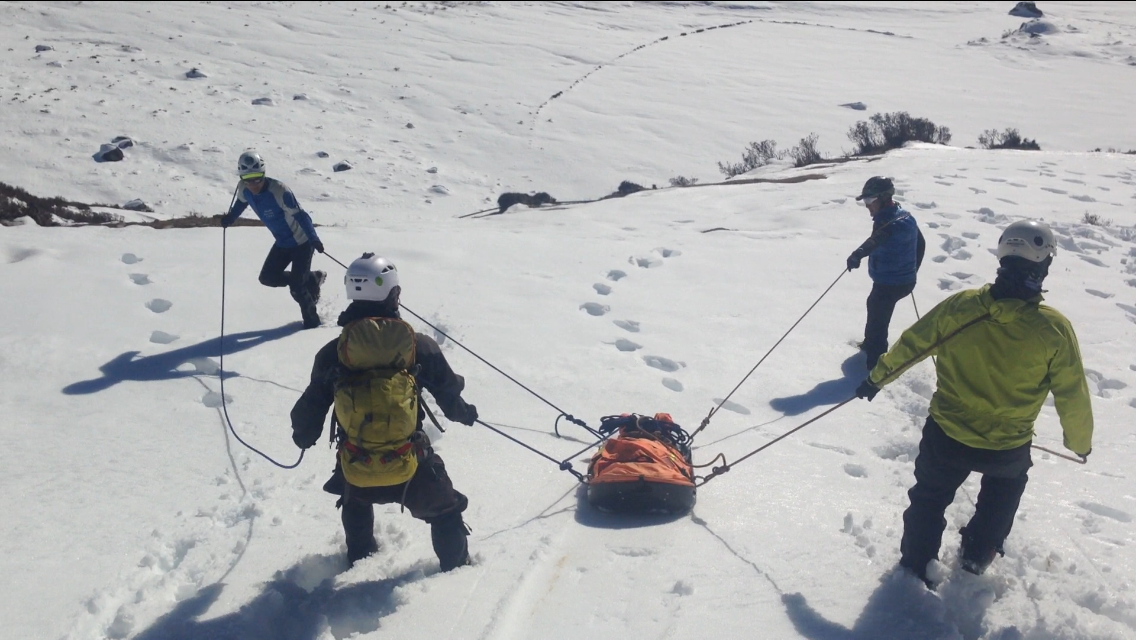
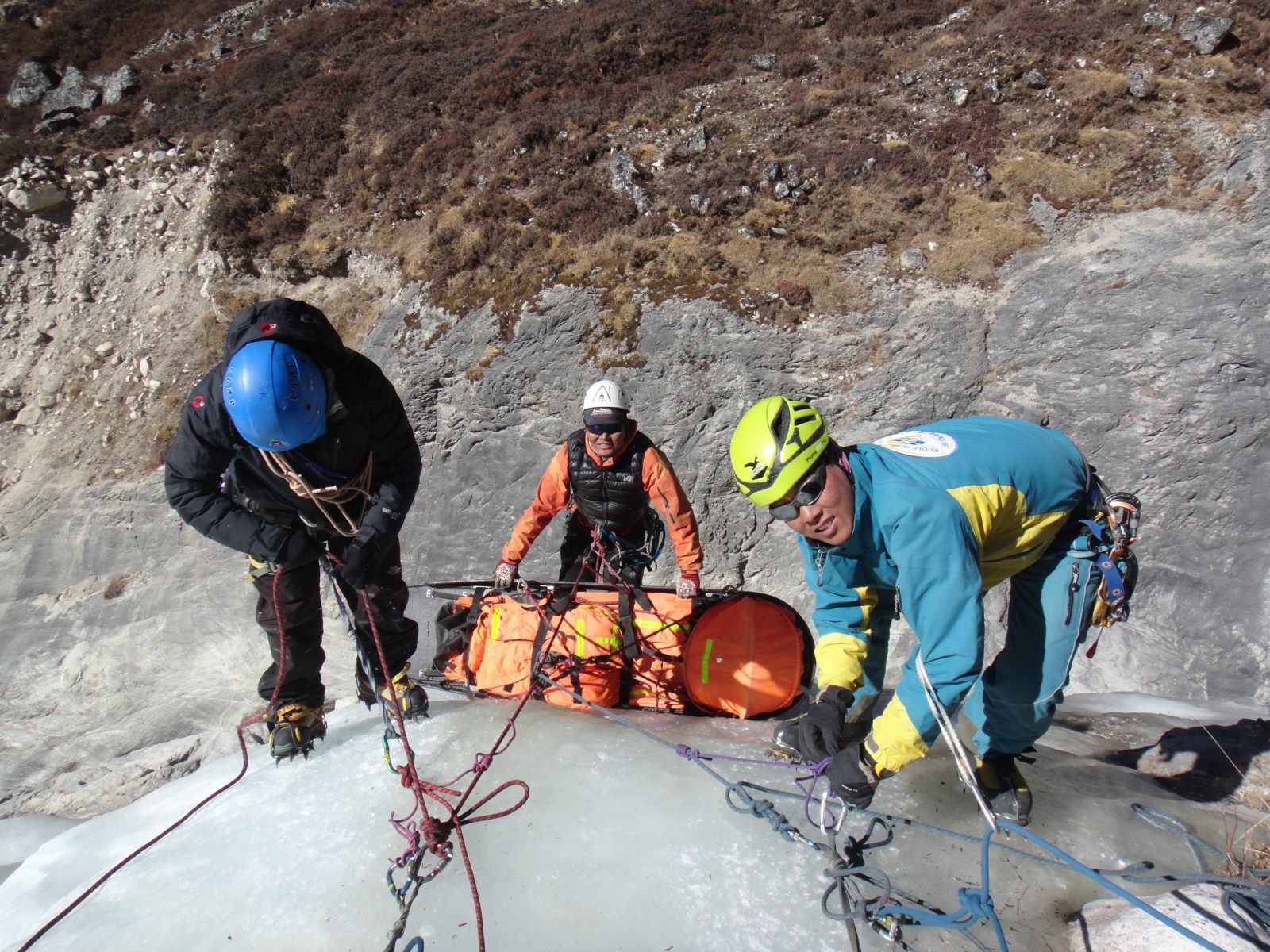
Overview
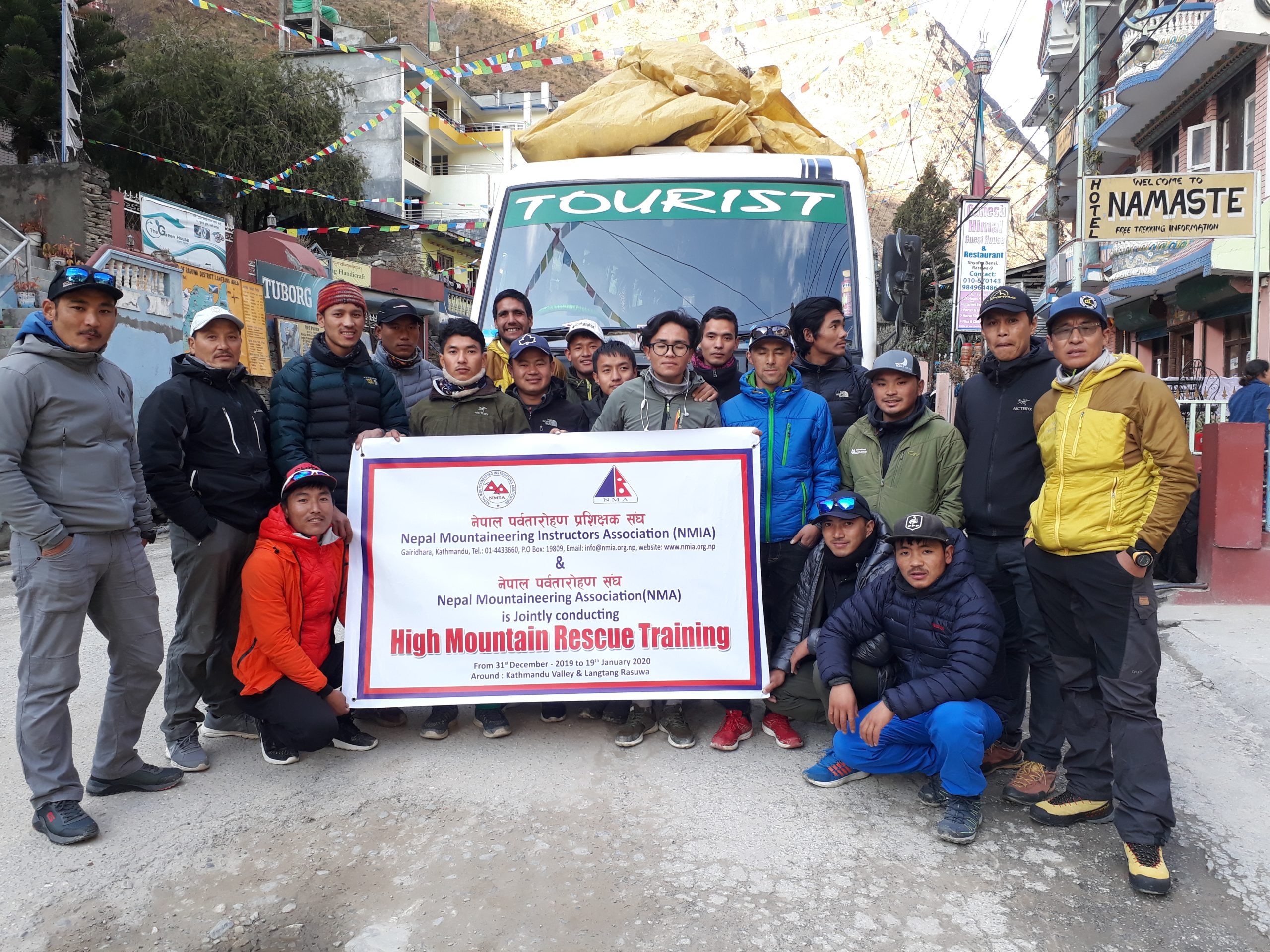
Since its launch in 2006 with 2 instructor and 4 Participants, The High Mountain Rescue Training (HMRT), organized by the Nepal Mountaineering Instructors Association (NMIA) with financial support from the Nepal Mountaineering Association (NMA), is an intensive program designed to train individuals in advanced rescue techniques for high-altitude and rugged mountain environments. Conducted in Nepal’s Himalayan regions, such as the Langtang or Khumbu areas, this course equips up to 10 participants with critical skills in first aid, rope rescue, avalanche search, helicopter procedures, and search management. The training combines theoretical instruction, hands-on practice, and field exercises to prepare participants for real-world rescue scenarios. Ideal for mountaineers, guides, and outdoor professionals, this program enhances safety standards and supports the development of a national rescue team to address the increasing risks in Nepal’s adventure tourism industry.
Goals
- Equip participants with advanced rescue skills for high-altitude and technical mountain environments.
- Enhance safety and risk management in Nepal’s adventure tourism industry.
- Promote teamwork, leadership, and effective communication in high-stress rescue scenarios.
- Foster environmental awareness and sustainable practices during rescue operations.
- Support the establishment of a qualified national rescue team in collaboration with government and non-governmental organizations.
Objectives
By the end of the training, participants will be able to:
- Administer first aid, including CPR and casualty care, in high-altitude environments.
- Use radio communications (e.g., walkie-talkies) effectively for rescue coordination.
- Operate avalanche victim search devices (e.g., beacons/DVA, probes) for avalanche rescue.
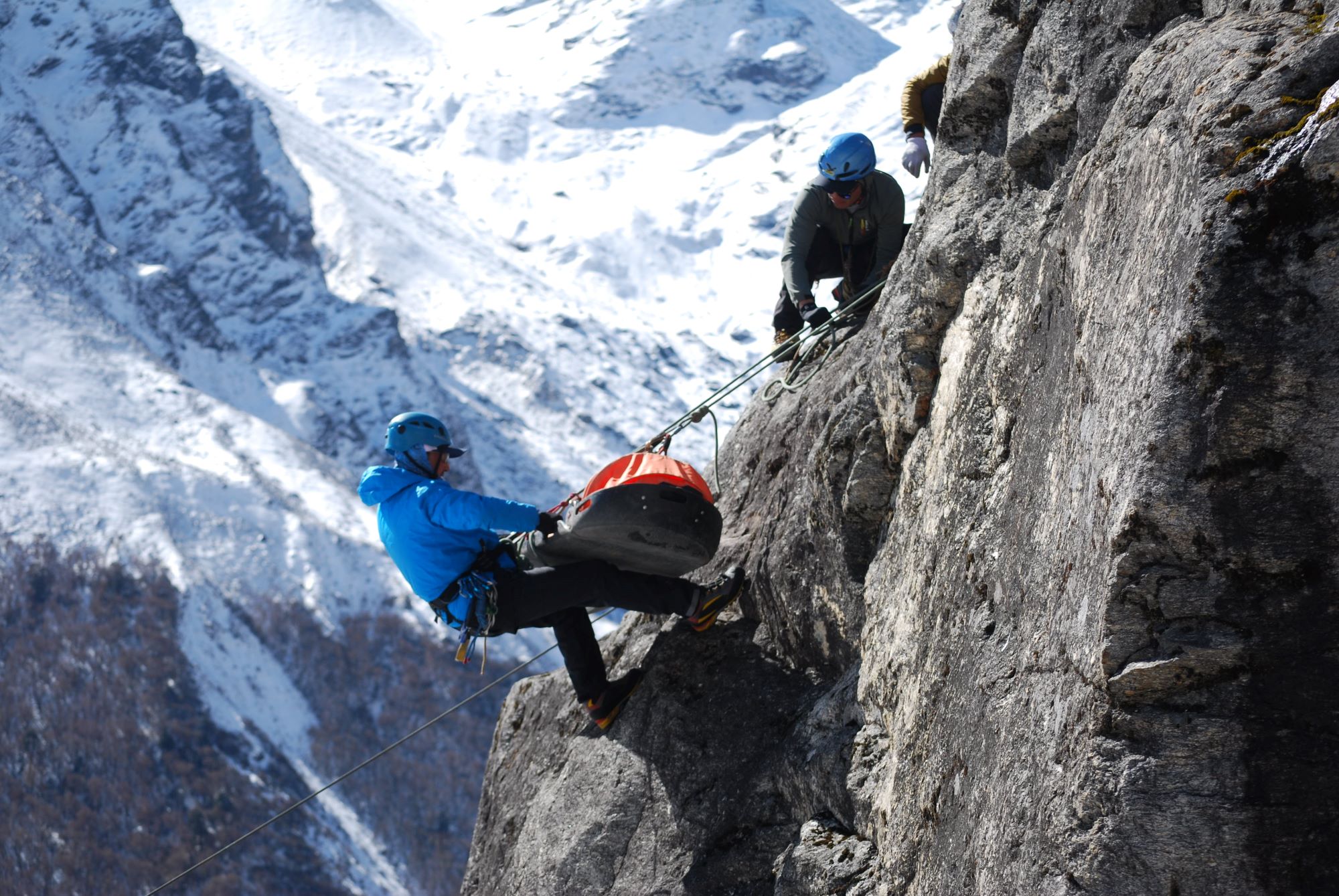
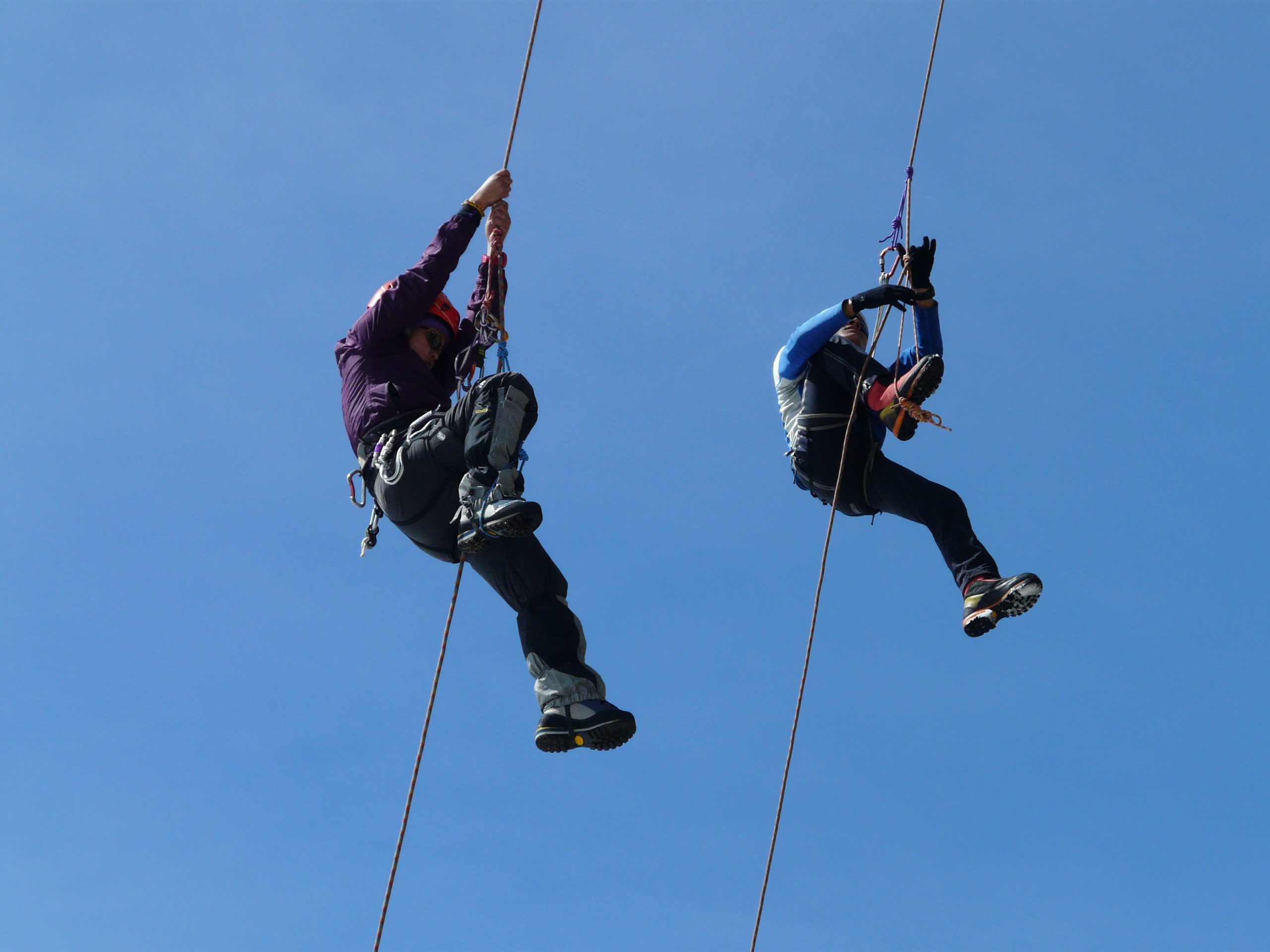
- Execute rope and knot rescue techniques, including pulley systems (e.g., C-pulley, Z-pulley).
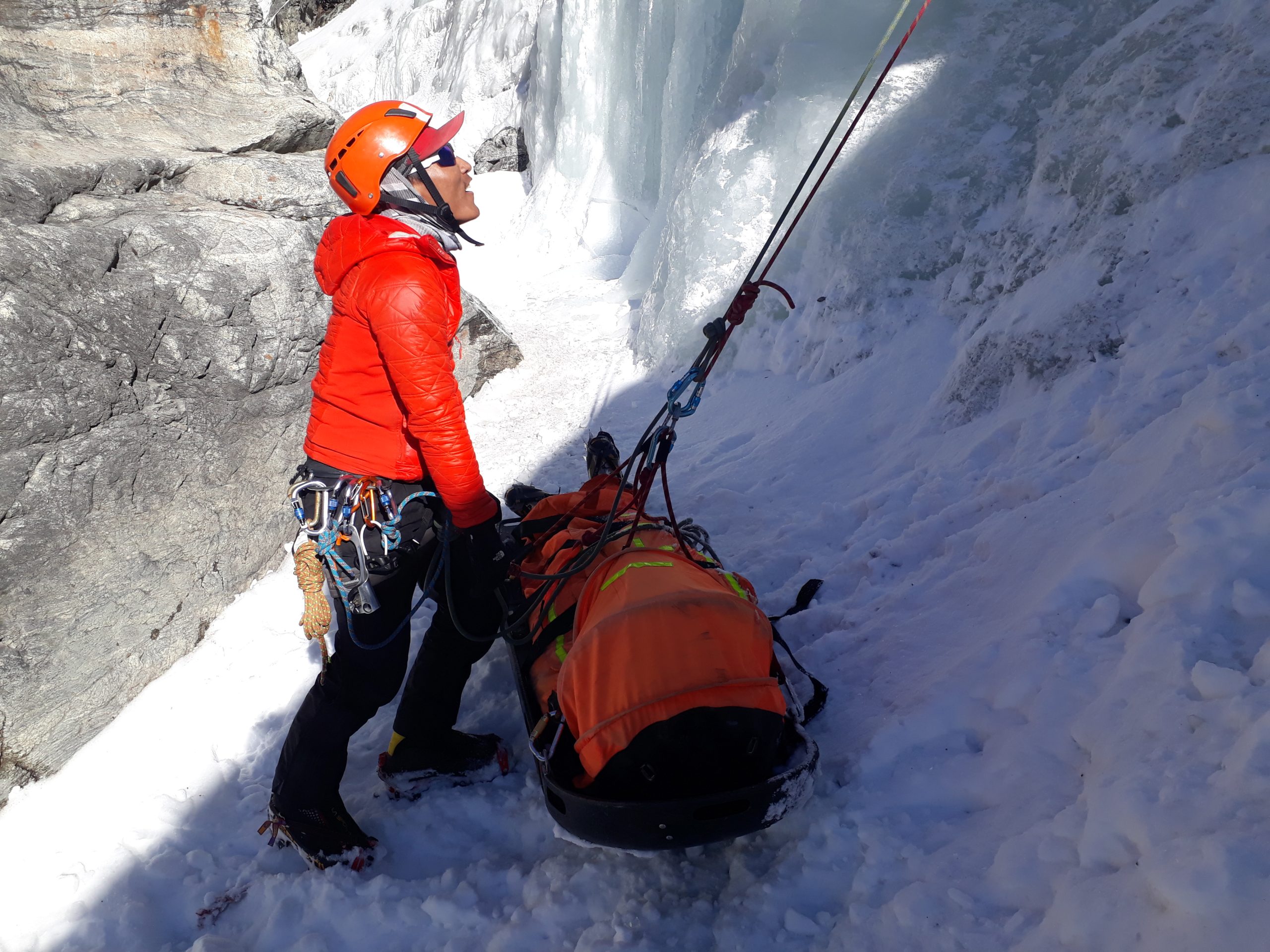
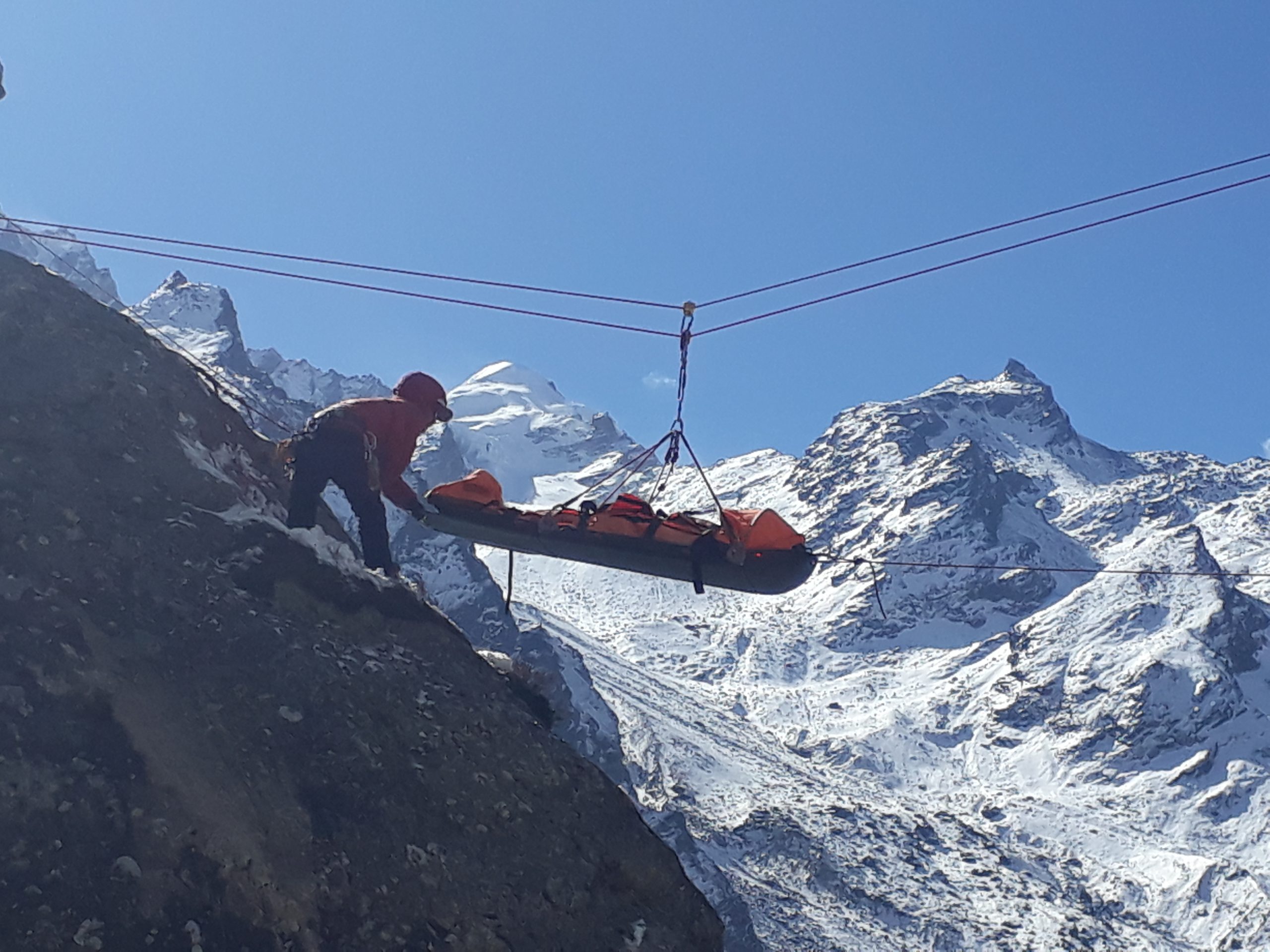
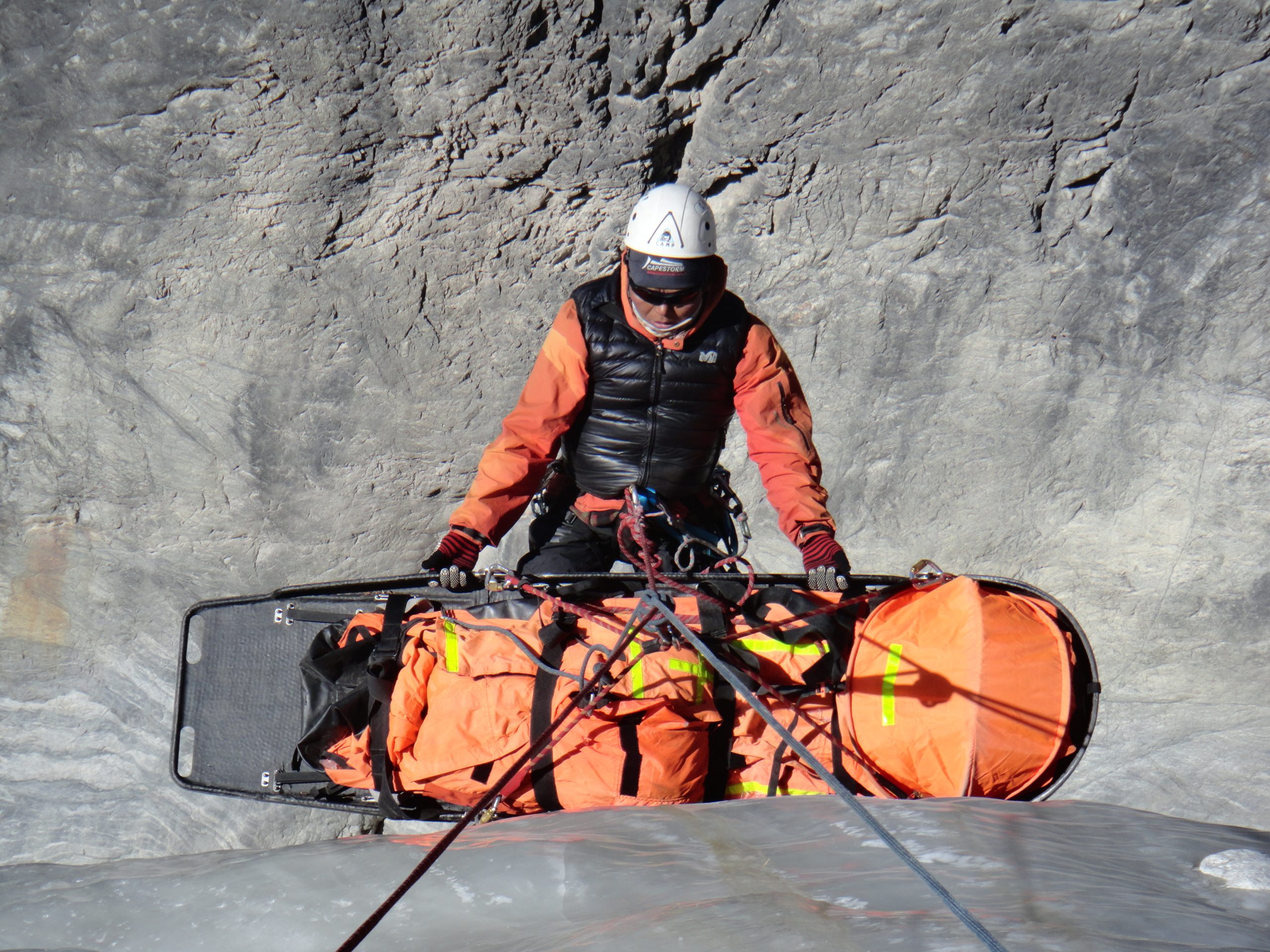
- Utilize mountain rescue stretchers and hyperbaric chambers for casualty evacuation.
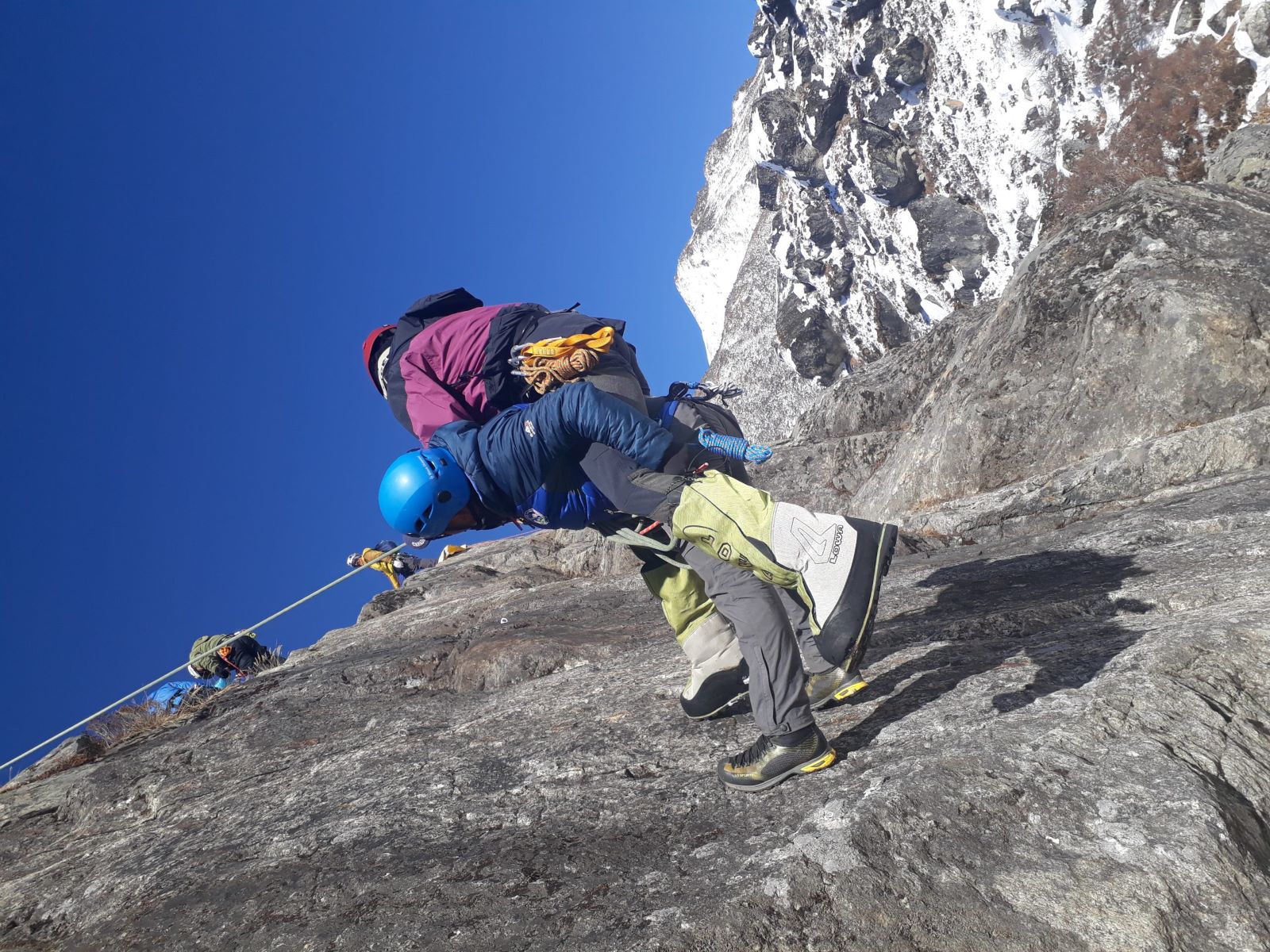
- Perform cliff and crevasse rescue techniques in technical terrains.
- Implement search methods and manage search operations in mountain environments.
- Follow major incident procedures and helicopter rescue protocols.
- Apply map reading and GPS navigation skills for precise location identification.
- Demonstrate leadership, teamwork, and mountain craft skills in rescue scenarios.
- Conduct aircraft crash search and recovery operations with safety and efficiency.
Program Details
- Duration: 20 days 120 hours total (specific dates to be announced by NMIA)
- Venue: High-altitude Himalayan regions, such as Langtang or Khumbu, with specific sites like Yala Base Camp and Yubra Glacier (to be confirmed)
- Instructor Ratio: 1:3
- Total Participants: 25
- Target Audience: Mountaineers, guides, and outdoor professionals with prior mountaineering experience or completion of NMIA/NMA Basic or Advanced Mountaineering Courses or equivalent.
- Prerequisites: Basic climbing skills (belaying, rappelling, knot tying) and moderate to high physical fitness due to the demanding nature of high-altitude rescue operations.
Mandatory Requirements
To enroll in the High Mountain Rescue Training, participants must provide:
- Photocopy of citizenship or passport
- Two passport-sized photos
- Insurance coverage: NPR 10,00,000 (accident insurance) and NPR 3,00,000 (medical insurance)
- Completion of one of the following:
- Basic Navigation Training or First Aid Training (3 days 18 hours total)
- NMIA’s Introductory Rock-Climbing Course (42 hours / 7 days)
- Basic Mountain Rescue Training (42 hours / 7 days)
- Rock Climbing Level 1 Training (84 hours / 14 days)
- Ice Climbing Level 1 Training (10 days 60 hours total)
Importance of High Mountain Rescue Training
Since 2006, the NMIA, with support from the NMA, has conducted the High Mountain Rescue Training to address the growing need for skilled rescuers in Nepal’s adventure tourism industry. The Himalayas, while a premier destination for mountaineering and adventure activities, pose significant risks, with accidents occurring annually due to the increasing number of climbers and trekkers. These incidents can negatively impact Nepal’s tourism reputation. By equipping participants with advanced rescue skills, this training minimizes risks, enhances safety, and supports the establishment of a professional national rescue team in collaboration with government and non-governmental organizations. Despite the high financial cost, the program’s value in fostering skilled, responsible rescuers is critical to the industry’s sustainability.
Contact Information
For inquiries or registration, please contact:
Email: training@nmia.org.np
Website: www.nmia.org.np
Phone: +977-1-4533660